

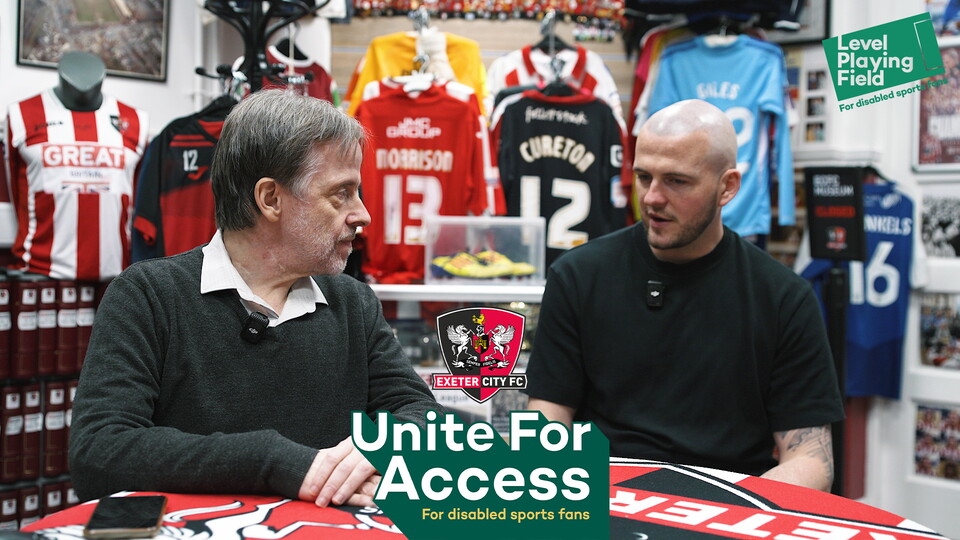
This year, as part of Level Playing Field’s 'Unite for Access' campaign, the Exeter City Disabled Supporter’s Association are highlighting men’s mental health.
The Level Playing Field 'Unite for Access' campaign is an annual period of inspiration and celebration of good access and inclusion at sports venues.
Tuesday night's clash with Lincoln City is our dedicated Level Playing Field match. The players will be wearing branded t-shirts for the warm-up. There will be content in the programme and on the Big Screen and Social Media. In the Fan Zone charities Andy's Man Club, Alright Mate? and Pegasus will be on hand for advice.
Ahead of the match, the DSA's Andrew Barge sat down with City's captain Pierce Sweeny for an open chat on the topic of men's mental health.
Andrew: Well Pierce, I guess, as a professional footballer, you have to be pretty confident to do what you do, but I imagine there are times where you can get a bit down when things are not going so well. Is that a significant part of a professional sportsman’s life?
"Yes, most certainly. I think over the last couple of years - maybe five, six, seven years - I think men’s mental health especially has been highlighted an awful lot more. I think now from what I’ve definitely seen over the last number of years, especially in the changing room environment, younger players seeking advice and maybe some help from older players who have probably been through what they’re going through, whether it’s injury, their first loan, whether they’re not playing, not performing, not hitting performances where they maybe thought they would.
"I think the environment that we put together in the changing room with the staff and the senior players in that changing room, I think it’s really good for anybody who is struggling. Whether to have an open conversation in the changing room or to meet in private, I think we’re pretty comfortable in that environment so yes, always looking to promote and help support these campaigns and, like you said, this year’s is men’s mental health and it’s vitally important because whenever men speak about it, they always say that men don’t talk about how they feel. I think the more we talk about the subject, I think will encourage men and young teenage boys to start speaking."
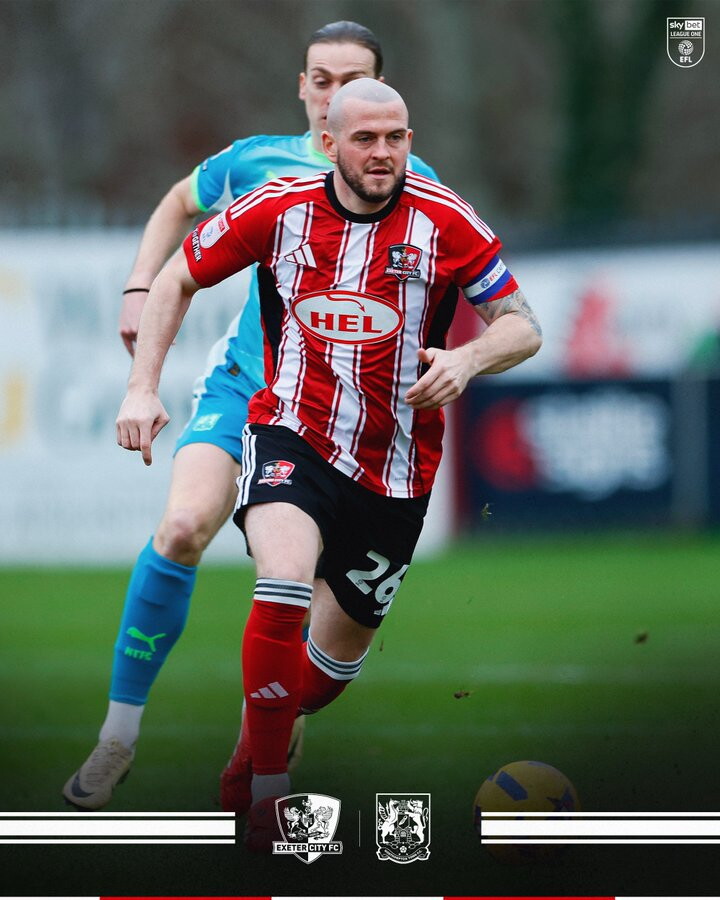
Andrew: Comparing that then to the late ‘90s - what was it like starting out as a young lad coming up in Ireland realising you have a future in professional football and how have things improved?
"I’ve been quite lucky where I haven’t struggled - well I don’t feel like I’ve struggled - with my feelings or if I haven’t achieved something I’ve set out to. I’ve been quite lucky to have a good family back home, I’ve got an older brother who is quite close in age to me so I’ve always had someone there to help me through things. He was going through similar stages of his life similar to me.
"I moved away at 17, just before I turned 18; he moved away for a couple of years a couple of years after that so we were kind of in similar situations. I obviously came to Exeter and then had two young children - that kind of keeps me busy as well, keeps my mind at ease and I think whenever I have a bad game, I don’t dwell on it as much as I used to whereas young players now have a little bit more time to themselves and that’s kind of where they get those trigger moments of where they go into a bit of a hole.
"I’ve been quite lucky; I haven’t had the easiest of upbringings but not a bad upbringing so I think for my early days, coming into young teams, I kind of had tough skin from an early age so I’ve been quite comfortable expressing how I feel and dealing with bad days on my own but now I’ve got a brilliant family behind me and two young kids kind of take my mind off it."
Andrew: And in terms of consistency, there hasn’t been too many managerial changes during your time at the Club with Paul Tisdale, Matt Taylor and Gary Caldwell. Did you see any difference between the managers and how they dealt with mental health, especially with the pressures of management, and did they give you any extra responsibilities as captain to help out with that?
"Yes, definitely. The three managers I’ve played for here, they’re all very different characters - but I think if any players approached the three of them, I think all would take it with open arms. Knowing the three men for a number of years, I think they would all deal with it in their own way but they would all be positive in it. They’ve all played the game, they’ve all managed at a good level and they understand the problems and the struggles players have. Now managers do go through struggles as well, whether they think their job’s in bad form, they get sacked, they get hired, they might get rejected from jobs.
"For me personally, I’ve learnt an awful lot on the mental side of the game from ‘Tis’ [Paul Tisdale] to Gary [Caldwell] and I’ve definitely taken it on board in my own life, not just professional life, but my own life outside of football."
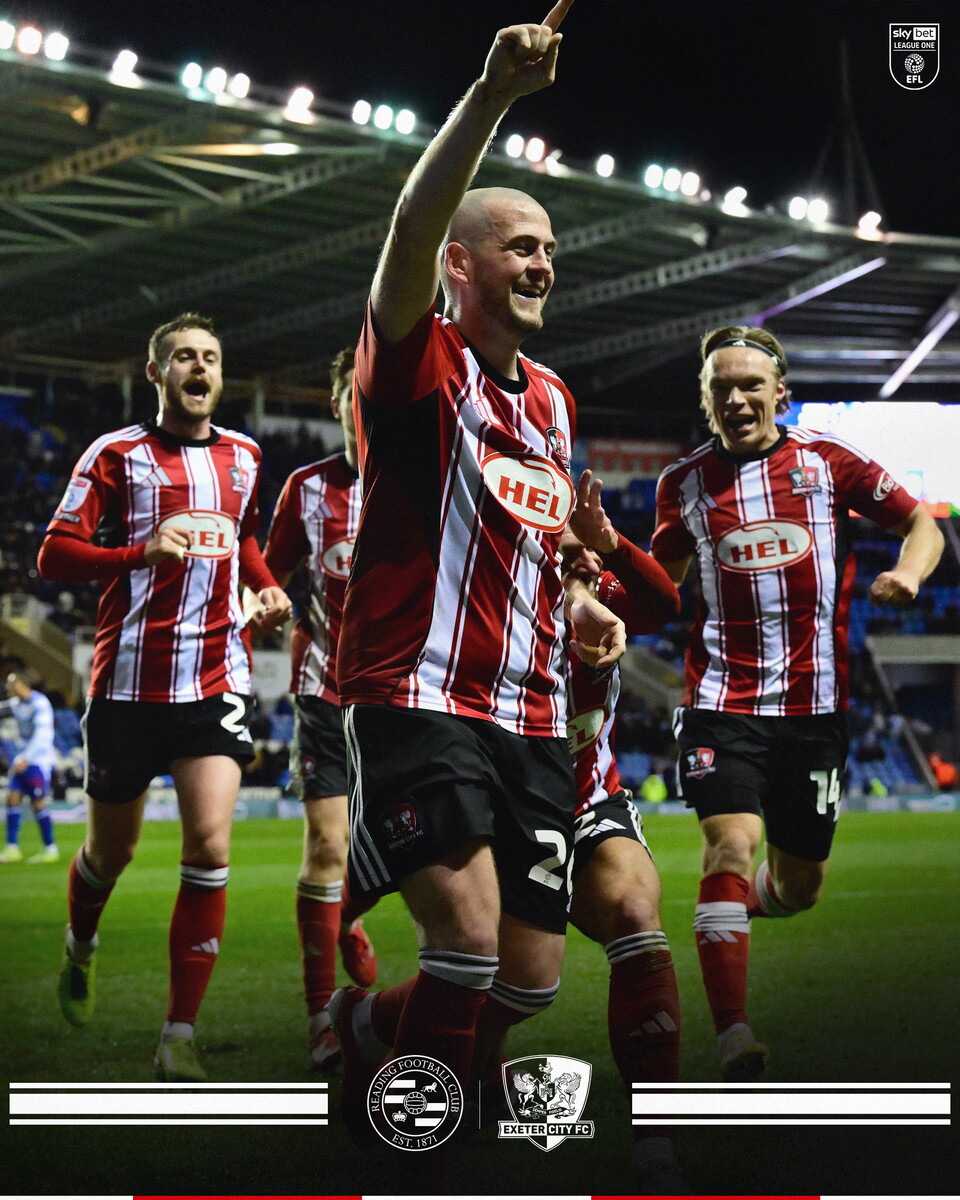
Andrew: And in terms of injuries, what impact have they had on yours or other players’ mental health when faced with a spell on the sidelines and what role have the Club had in helping get through those difficult times?
"Getting injured is obviously a normality in football, in any level of sport. Whatever you play, you might get injured. I went through a kind of first in my career last year. I was out injured with my calf and a wear-and-tear injury in my hip so I didn’t actually play for about seven months. I’ve said in a couple of interviews before, I struggled a little bit coming to the stadium after a couple of months where I couldn’t affect the game. That’s one thing I really struggled with, not being able to affect the game. I could affect the players in some capacity but I couldn’t affect the game out on the pitch and I struggled with that a little bit.
"My way of dealing with that was to not watch the game. I went upstairs and if I felt myself getting frustrated, I would walk away and go and speak to somebody at the bar or something like that. But yes, I’ve been quite lucky - we’ve got some players who are dealing with some long-term injuries; we dealt with a few last year: Yanic [Wildschut] and ‘Demi’ [Demetri Mitchell] off the back of ACL injuries. I think the players are important, their team-mates are important, the staff are important but I think if anyone is dealing with injury, I think they need to come out of their shell a little bit and if they feel like they’re struggling, like they need a holiday, they need time off, they know what they need.
"This football club is fantastic with giving the players what they need and whatever the players want, to a certain aspect, they will get to make them better and get them through tough times."
s
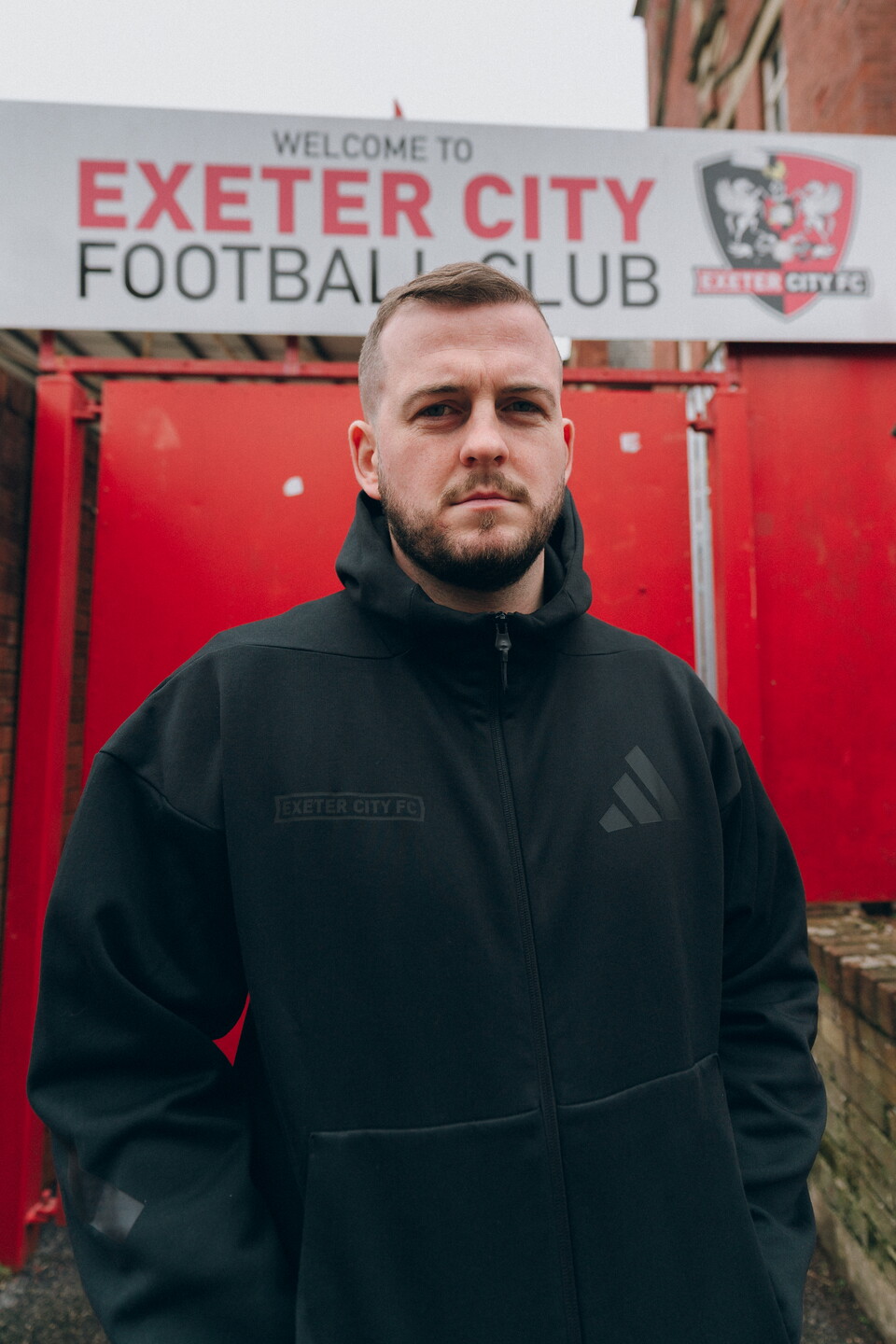
Andrew: On a slightly different note, you missed out on playing at the Etihad Stadium this season. How did you feel about that?
"Yes, it was a tough experience, obviously, to be missing the game. Probably a once-in-a-lifetime game to be playing against the calibre of players and to not play in that occasion was very disappointing. But, on the other hand, it was a quite unique experience to go up there and kind of see it from afar and see the levels - not just on the pitch but the stadium, how the staff conducted themselves and how the football club kind of treated us.
"Man City is a juggernaut in football and we’re Exeter City but they showed us an awful lot of respect when we went up there and yes, it was a tough afternoon. I was with my brother and one of my close mates came over for the game so luckily wasn’t sat on my own which made it a little bit better so yes, it was mixed emotions but it was a fantastic experience for the football club, for me to see that, and I’m sure the players would say the same."
Andrew: And, as we focus on mental health, do you have a message for the fans in terms of what the Club can do, particularly one which is fan-owned and rooted into the community?
What I would say is if anybody is struggling, I do understand that a Saturday or a Tuesday night is an escape for people. If you can’t make any of the games, there are other events on at the stadium. Come into the museum, come in and speak to Paul Farley, have a little wonder round the stadium if it’s doable. Come to the club shop - I’m sure there are many volunteers and staff members around here who will have a conversation with you. And players are accessible.
"When we walk in here on a matchday, we get bombarded with people - young kids, middle-aged men and middle-aged women, young girls - it varies so even if it’s a 20-second conversation, that can lift a fan. I say to young kids and people all the time, don’t be afraid to come up to players.
"Some people are a little bit afraid to come up and speak to players or ask for pictures or ask for advice or something like that but I always encourage people to ask players questions, ask [Dan] Green, ask Kev [Nicholson], ex-players, current players for advice. Don’t be shy and listen, we’re normal human beings so we do feel what you feel. We’re not robots so don’t be shy and we’re here to help.
"We’re a unique football club - I don’t think any staff member or player would turn a nose up at somebody looking for help so if you are struggling out there, come and speak to someone."
Watch the full interview below: